CBSE’s New Menstrual Hygiene Rules: What Every Student and Parent Must Know
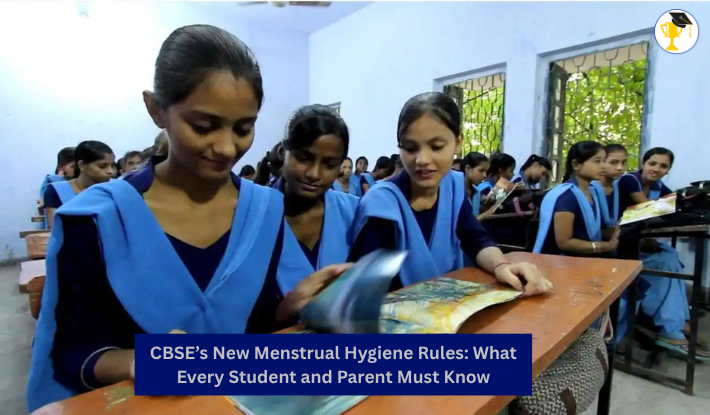
In a major step towards improving student welfare and promoting gender equality, the Central Board of Secondary Education (CBSE) has introduced new menstrual hygiene guidelines for schools across India. These rules aim to ensure that girls can study in a safe, supportive, and hygienic environment without stigma or barriers.
The move follows a landmark Supreme Court judgment that recognized menstrual health as a fundamental right under Article 21, linking it directly to dignity, education, and equality.
Let’s understand what these new rules mean and why they are important for students, parents, and schools.
Why CBSE Introduced New Menstrual Hygiene Rules
Menstrual hygiene has long been a sensitive and often neglected issue in Indian schools. Lack of proper facilities, awareness, and support has led to:
- Absenteeism among girl students
- Dropout rates during adolescence
- Health risks due to poor hygiene
- Social stigma and discomfort
Recognizing these challenges, the Supreme Court ruled that access to menstrual hygiene is essential for ensuring equal educational opportunities.
Following this, CBSE issued strict directions to all affiliated schools to implement Menstrual Hygiene Management (MHM) measures.
Key Highlights of CBSE’s New Guidelines
CBSE’s new rules are comprehensive and focus on both infrastructure and awareness. Here are the major points every student and parent should know:
1. Separate and Hygienic Toilets for Girls
Schools must ensure:
- Clean, safe, and private toilets for female students
- Proper water supply and washing facilities
This is crucial because inadequate sanitation often discourages girls from attending school during menstruation.
2. Availability of Sanitary Napkins
CBSE has made it mandatory for schools to:
- Provide sanitary napkins on campus
- Ensure they are available either free or at subsidised rates
Some guidelines also emphasize the use of biodegradable sanitary products to promote sustainability.
3. Setting Up MHM Corners
Schools are required to create Menstrual Hygiene Management (MHM) corners, which will:
- Provide emergency sanitary products
- Offer basic hygiene resources
- Serve as safe spaces for girls
This initiative ensures immediate support during school hours.
4. Proper Disposal of Sanitary Waste
Another critical rule is:
- Installation of safe and eco-friendly disposal systems
- Proper waste management practices
Improper disposal has been a major concern in many schools, and this step ensures hygiene and environmental safety.
5. Awareness and Education Programs
CBSE has stressed the importance of breaking taboos by:
- Conducting awareness sessions on menstruation and puberty
- Promoting gender-sensitive discussions
- Following guidelines from NCERT and SCERT
These programs aim to normalize conversations around periods and educate both boys and girls.
6. Monitoring and Compliance
To ensure implementation:
- Schools will undergo regular inspections by district authorities
- Institutions must submit compliance reports
- Deadlines have been set for reporting implementation status
Strict monitoring ensures that schools actually follow these rules and not just treat them as formalities.
How These Rules Will Impact Students
The new CBSE guidelines are expected to bring significant positive changes for students, especially girls.
1. Better School Attendance
Many girls skip school during periods due to discomfort or lack of facilities. With improved infrastructure:
- Attendance is likely to increase
- Dropout rates may reduce
2. Improved Health and Hygiene
Access to proper facilities and products will:
- Reduce risk of infections
- Promote healthy hygiene practices
3. Increased Confidence
Creating a supportive environment helps students:
- Feel comfortable discussing menstrual health
- Participate actively in school activities
4. Breaking Social Stigma
Awareness programs will help:
- Normalize menstruation
- Reduce shame and embarrassment
- Encourage open conversations
What Parents Should Know
Parents play a crucial role in supporting these changes. Here’s what they should keep in mind:
1. Stay Informed
Parents should:
- Check if their child’s school is implementing these guidelines
- Stay updated through school communications
2. Encourage Open Communication
Talk to children about:
- Menstrual health
- Hygiene practices
- Emotional well-being
3. Support Girls During Exams and School Days
Ensure that daughters:
- Carry necessary hygiene products
- Feel confident attending school during periods
4. Raise Concerns if Needed
If schools fail to provide facilities:
- Parents can raise the issue with school authorities
- Escalate concerns to education boards if required
Responsibilities of Schools
CBSE has clearly outlined expectations from schools. Institutions must:
- Upgrade infrastructure immediately
- Ensure continuous availability of sanitary products
- Conduct regular awareness sessions
- Maintain hygiene standards
- Submit compliance reports on time
Failure to comply may lead to strict action by authorities.
Why This Move Is a Game-Changer
This initiative is not just about hygiene—it is about rights, dignity, and equality.
1. Recognizing Menstrual Health as a Right
The Supreme Court has clearly stated that menstrual health is part of:
- Right to life
- Right to dignity
- Right to education
2. Promoting Gender Equality
By addressing menstrual challenges:
- Girls get equal opportunities in education
- Gender gaps in schooling can be reduced
3. Creating Inclusive Schools
The guidelines aim to build:
- Safe environments
- Supportive school culture
- Inclusive education systems
Challenges in Implementation
While the rules are progressive, some challenges may arise:
- Lack of funding in smaller schools
- Resistance due to social taboos
- Inconsistent implementation across regions
However, strict monitoring and awareness can help overcome these issues.
CBSE’s new menstrual hygiene rules mark a significant step forward in India’s education system. By addressing a long-ignored issue, these guidelines aim to ensure that no girl’s education is disrupted due to menstruation.
For students, it means comfort and confidence.
For parents, it brings assurance and awareness.
For schools, it sets a clear responsibility toward student well-being.
If implemented effectively, this initiative can truly transform the educational experience for millions of girls across the country.


 STUDY MATERIALS
 COURSES
 MORE
MORE
 SUCCESS STORY
 ADMISSION
 STORE
STORE