

What Will Change When NEET UG Goes Online from 2027? Essential Guide for Future Aspirants

What Will Change When NEET UG Goes Online from 2027? Essential Guide for Future Aspirants

Following severe disruptions, reported irregularities, and widespread operational challenges during the initial May 3 national cycle, the central government has announced a massive structural intervention to clean up India’s largest medical entrance gateway. Union Education Minister Dharmendra Pradhan has declared a dual-pronged strategy: an immediate, highly accommodating re-examination for affected candidates alongside a permanent, long-term migration to a digital testing landscape.

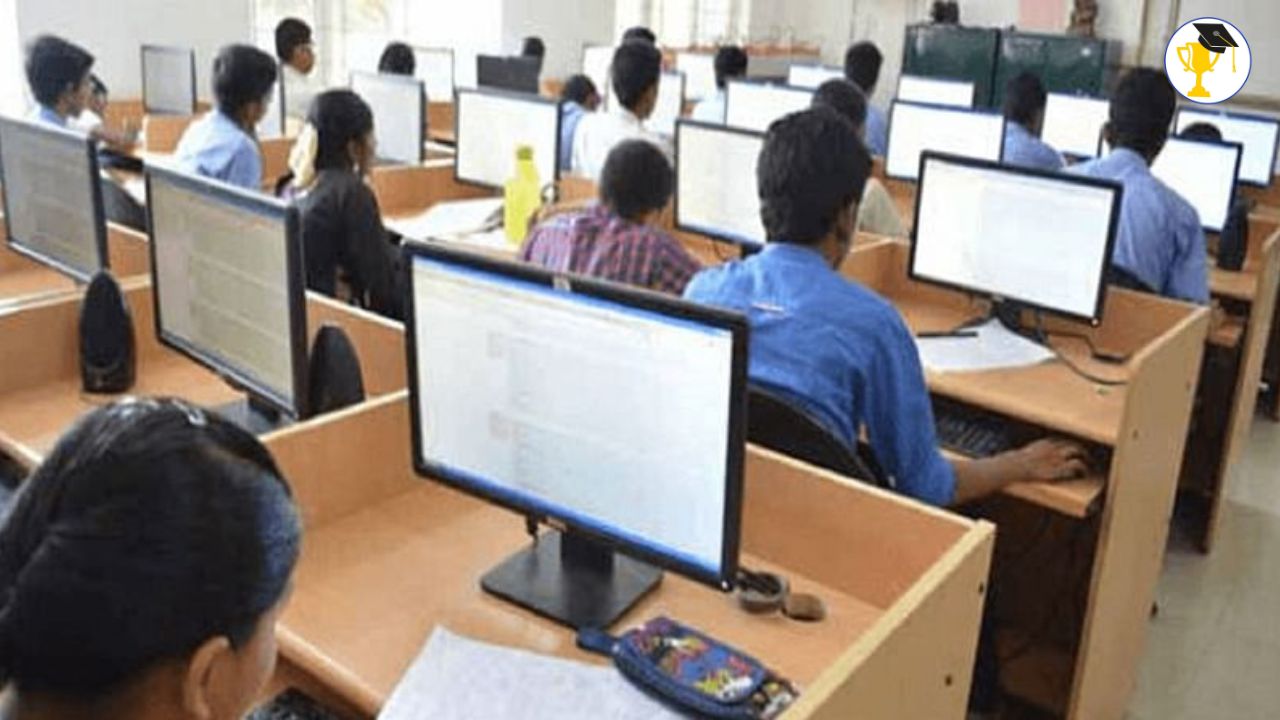
In a historic policy shift aimed at completely dismantling deep-rooted examination malpractices, NEET UG will permanently transition from the traditional pen-and-paper format to a fully digital Computer-Based Test (CBT) starting next year.

For the immediate cohort, a fresh nationwide re-examination has been officially scheduled for June 21, backed by a sweeping portfolio of student-centric relief measures designed to minimize academic anxiety and financial stress.

Part 1: The Long-Term Reform – What the 2027 Digital Shift Means for Students

The migration to a Computer-Based Test (CBT) framework marks the end of the decades-old Optical Mark Recognition (OMR) sheet model. This massive modernization drive aligns the medical entrance exam with premier national engineering and management benchmarks like JEE Main and CAT, which have long utilized digital testing systems.

[ Pen-and-Paper Era ] ---> Replaced By ---> [ Computer-Based Testing (CBT) ]
• Manual OMR bubbling                        • Dynamic on-screen clicking
• Single physical question code              • Encrypted digital delivery
• Vulnerable physical logistics             • Secure server-side architecture

1. Eliminating the Vulnerabilities of Physical Papers

The primary catalyst for the digital shift is the security framework. Physical question papers require vast, multi-tiered logistical supply chains—spanning secure printing presses, transport transits, local strongrooms, and manual distribution networks. By converting the entire process into an encrypted, digital system where servers securely dispatch localized question banks minutes before logging in, the NTA aims to completely eliminate the risk of leaks and institutional malpractices.

2. Operational Enhancements and Flawless Evaluation

Manual OMR bubbling has historically been a major friction point for young candidates, where a single stray pen mark could invalidate an entire block of answers. Moving to an on-screen click interface completely removes human evaluation errors, accelerates final result calculation timelines, and provides absolute transparency in mark verification.

3. Structural Strategy and Interface Evolution

While the core syllabus, question weights, and evaluation metrics will remain completely unchanged, students will need to drastically alter their test-taking mechanics:

  • Digital Navigation: Candidates must learn to flag questions for review, navigate dynamically through sections without physically flipping pages, and utilize basic on-screen tracking tools.

  • Prep Strategy Realignment: Routine study schedules must adapt. Aspirants will need to transition away from printed mock booklets and prioritize web-based test series to master digital time management and reduce screen fatigue.

Part 2: The Immediate Corrective Step – The June 21 Re-Examination

Addressing the immediate crisis stemming from the early May cycle, the Union Ministry has confirmed a decisive blueprint to restore absolute academic merit. Following internal reviews and comprehensive multi-state investigative briefs that surfaced around May 12, the original attempt was cancelled to protect the integrity of the selection pool.

To ensure that innocent candidates are not penalized or overwhelmed by this sudden reset, the government has introduced several unprecedented, student-friendly relief parameters for the upcoming June 21 test:

  • Complete Fee Waivers: The testing fee collected for the initial cancelled attempt will be fully refunded. No additional financial charges will be levied on candidates appearing for the June 21 re-examination.

  • Preferred City Selection: Recognizing logistical challenges, the NTA is opening a dedicated one-week administrative window allowing students to choose and update their preferred exam city to minimize travel burdens.

  • Expanded Buffer Time: Candidates will receive an additional 15 minutes inside the testing hall specifically dedicated to filling out their identifying data blocks on the OMR sheets calmly.

  • Clear Timeline Anchors: The revised official admit cards are scheduled for release on June 14, providing students a clear runway to plan their local transits.

Part 3: The Fight Against Pariksha Mafia

The deployment of these synchronized immediate and systemic changes forms the cornerstone of the central government's newly minted "Fight Against Pariksha Mafia" initiative. Emphasizing a zero-tolerance policy against organized cheating syndicates and administrative institutional leaks, Education Minister Dharmendra Pradhan characterized exam malpractices as a severe social evil that directly compromises the aspirations of hardworking youth.

By combining empathetic, cost-free relief for current candidates with an unyielding digital shift for future batches, India's medical admission framework is entering a highly secure, technology-driven era.

Frequently Asked Questions (FAQs)

The transition to an online, computer-based format is a long-term structural reform aimed at improving exam security, reducing operational errors, and eliminating manual evaluation mistakes. It is also expected to strengthen security against paper leaks and exam malpractices.
The fresh NEET-UG re-examination will be conducted on June 21, following concerns and irregularities raised during the initial exam cycle.
No. The government has announced that the exam fee for the cancelled attempt will be refunded, and absolutely no additional fees will be charged to candidates appearing for the fresh re-test.
To reduce student stress, the government has introduced several supportive measures: candidates can choose their preferred exam city during a one-week selection window, revised admit cards will drop on June 14, and students will receive an extra 15 minutes to fill out their details on the OMR sheet.

Recent Posts