

Fire and Safety: Complete Guide to Fire Protection & Life Safety

Fire and Safety: Building Protection and Life Safety Guide

Fire and safety are essential elements of modern infrastructure and responsible building management. Whether it is a residential property, commercial complex, educational institution, hospital, or industrial facility, having an effective fire and safety system is no longer optional—it is a necessity.

A fire incident can cause severe damage to human life, property, operations, and business continuity. However, most fire-related emergencies can be prevented through proper planning, safety awareness, and implementation of reliable fire protection measures.

Why Fire and Safety Matter

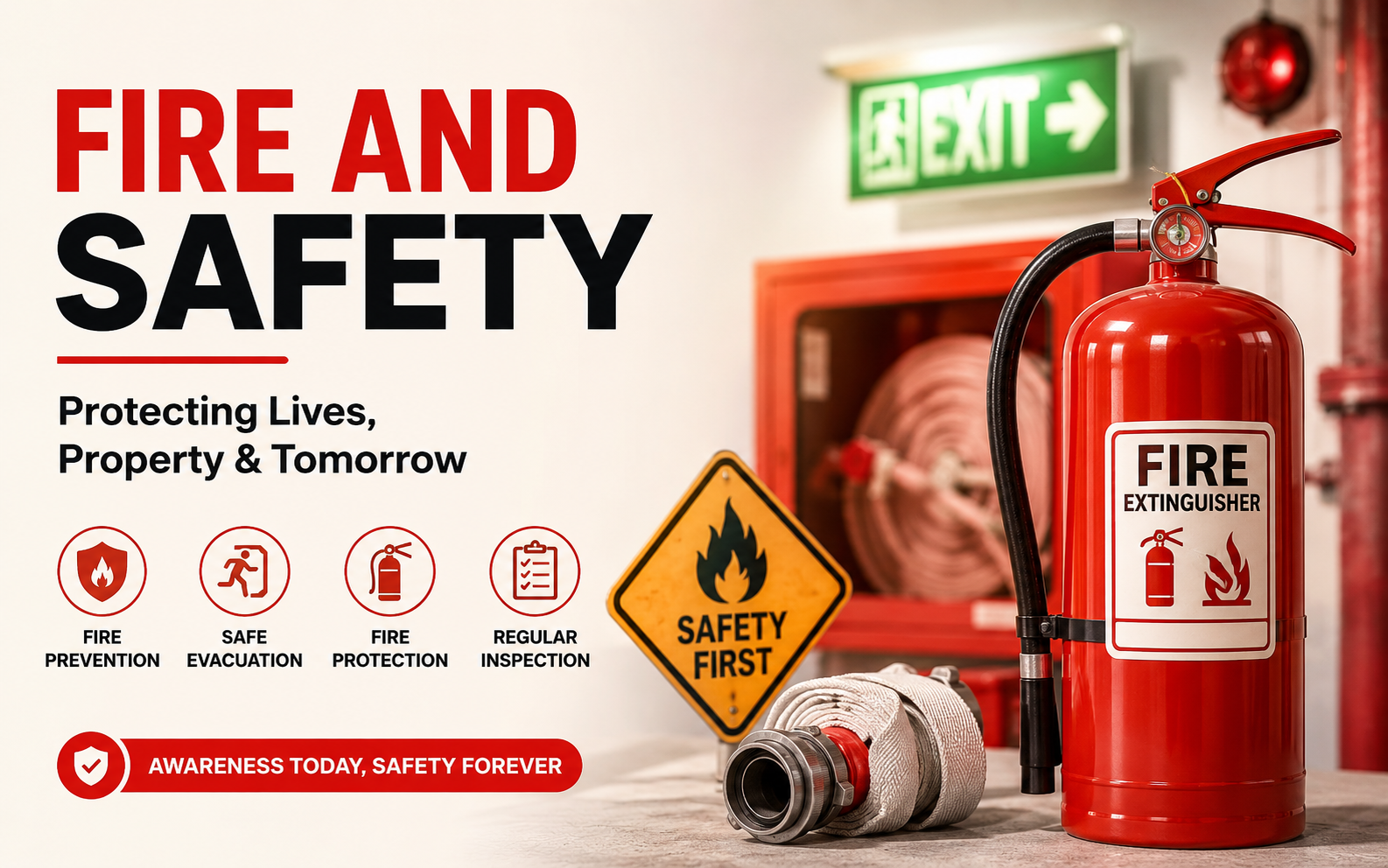
The primary objective of fire and safety is to protect people and minimize damage during emergencies. A comprehensive fire safety strategy focuses on three major areas—fire prevention, fire protection, and life safety.

Fire prevention reduces the possibility of incidents before they occur. Common preventive practices include regular inspection of electrical systems, proper handling of combustible materials, routine maintenance, and compliance with safety standards.

Fire protection systems are designed to detect, control, and respond to fire emergencies quickly. These systems commonly include:

• Fire alarm systems
• Smoke and heat detectors
• Automatic sprinkler systems
• Fire extinguishers
• Emergency exits and evacuation routes
• Emergency lighting and signage

The Role of Life Safety in Modern Buildings

Modern buildings require more than just fire-fighting equipment. Life safety focuses on ensuring that occupants can respond and evacuate safely during emergencies.

Proper building design, clear escape paths, emergency response planning, and staff training significantly improve safety outcomes. Regular fire drills and awareness programs help occupants remain prepared and reduce panic during critical situations.

Building a Culture of Safety

Fire and safety are most effective when integrated into daily operations rather than treated as a one-time requirement. Organizations should establish routine inspections, employee training, emergency response procedures, and continuous safety improvements.

Investing in fire and safety not only protects lives and assets but also strengthens trust, operational efficiency, and long-term sustainability.

Creating a safe environment today means building a stronger and more secure tomorrow.

Want to learn more about Fire and Safety standards?
Download our complete PDF guide and explore essential fire prevention measures, life safety practices, emergency preparedness, and building protection strategies.

Download Fire and Safety PDF: Download Now

Frequently Asked Questions (FAQs)

Fire and safety refers to the measures, systems, and procedures designed to prevent fire incidents, protect people, and minimize damage to property during emergencies.
Fire safety helps protect human life, reduce property damage, improve emergency response, and ensure safer evacuation during fire incidents.
A fire protection system generally includes fire alarms, smoke detectors, fire extinguishers, sprinkler systems, emergency exits, and evacuation planning.
Fire safety inspections should be conducted regularly based on building type, occupancy, equipment condition, and applicable safety requirements.
Fire prevention focuses on reducing the chances of fire occurring, while fire protection focuses on detecting, controlling, and minimizing the impact of fire.

Recent Posts