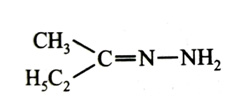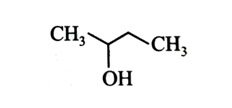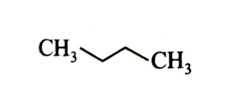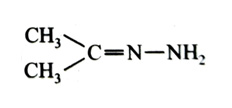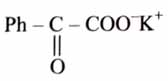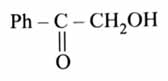


Q 1 :

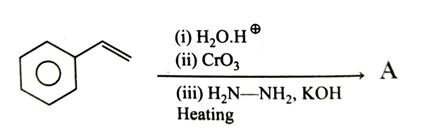
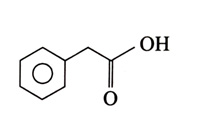
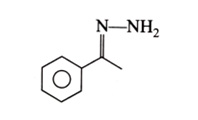
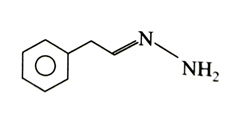
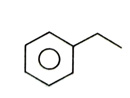
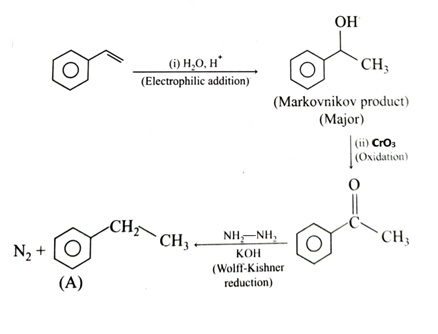
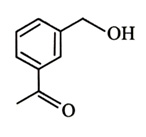
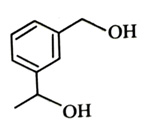
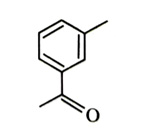
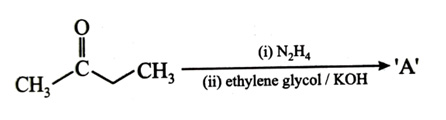
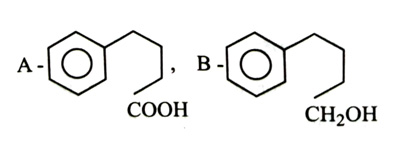
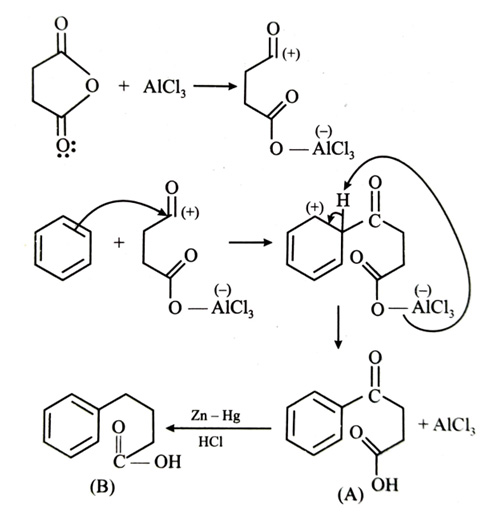
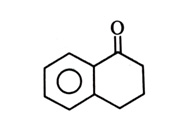
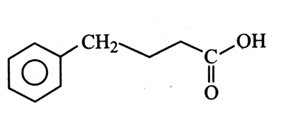
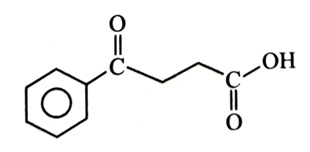
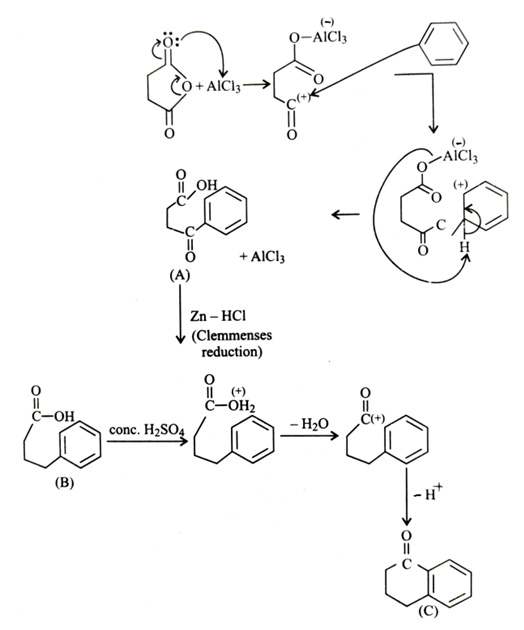
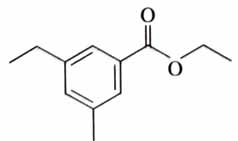
The final product A formed in the following multistep reaction sequence is                         [2024]

  •  

  •  

  •  

  •  

(4)


Q 2 :

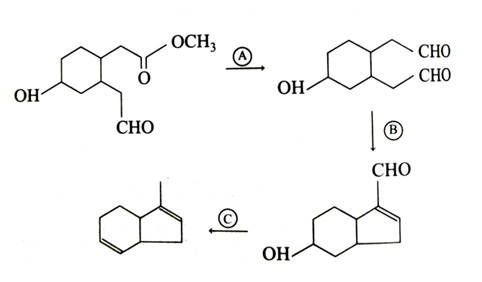
Identify the reagents used for the following conversion                         [2024]

  • A=LiAlH4, B=NaOH(aq), C=NH2-NH2/KOH, ethylene glycol


  • A=DIBAL-H, B=NaOH(aq), C=NH2-NH2/KOH, ethylene glycol


  • A=DIBAL-H, B=NaOH(alc), C=Zn/HCl


  • A=LiAlH4, B=NaOH(alc), C=Zn/HCl


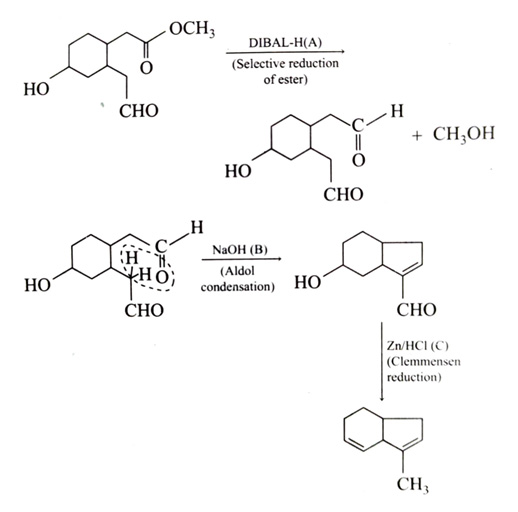
(3)

DIBAL-H is used for selective reduction of esters and nitriles to aldehydes at low temperature (around 78°C).


Q 3 :

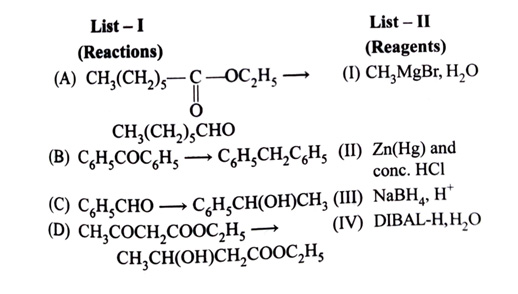
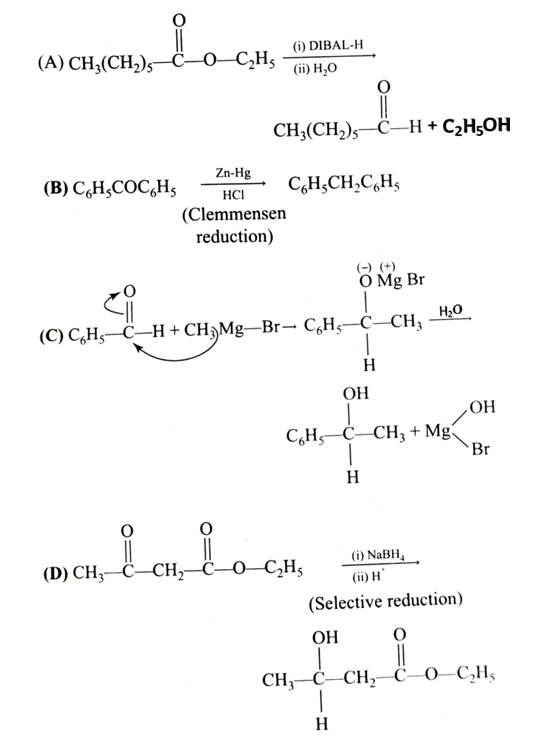
Match List – I with List – II.                                [2024]

Choose the correct answer from the options given below:

  • (A)−(III), (B)−(IV), (C)−(I), (D)−(II)


  • (A)−(IV), (B)−(II), (C)−(I), (D)−(III)


  • (A)−(IV), (B)−(II), (C)−(III), (D)−(I)


  • (A)−(III), (B)−(IV), (C)−(II), (D)−(I)


(2)


Q 4 :

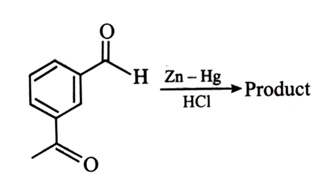
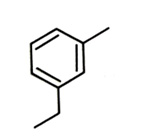
Identify the product in the following reaction:                        [2024]

  •  

  •  

  •  

  •  

(1)

This is Clemmensen reduction reaction.


Q 5 :

Identify ‘A’ in the following reaction:                               [2024]

  •  

  •  

  •  

  •  

(3)

This is Wolff-Kishner reduction reaction.


Q 6 :

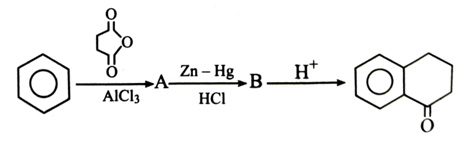
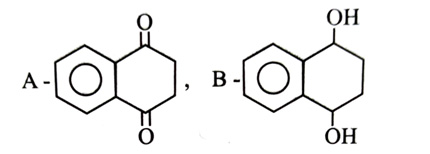
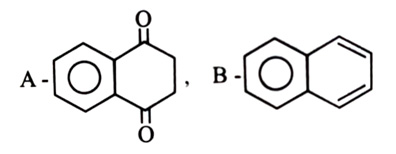
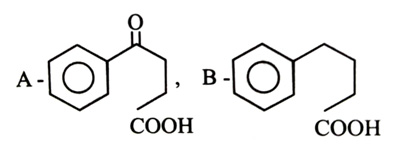
Identify A and B in the given chemical reaction sequence:                [2024]

  •  

  •  

  •  

  •  

(3)


Q 7 :

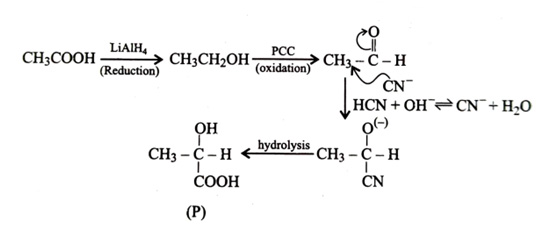
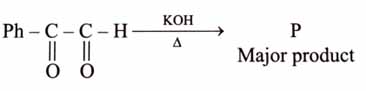
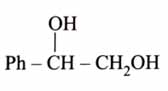
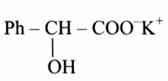
Consider the given reaction, identify the major product P.                    [2024]

  • CH3CH2CH2OH 


  •  

  •  

  •  

(2)

Note: Actual product is anion of (P) as hydrolysis is done in basic medium.


Q 8 :

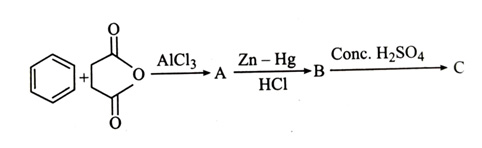
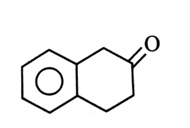
What is the structure of C?                             [2024]

  •  

  •  

  •  

  •  

(2)


Q 9 :

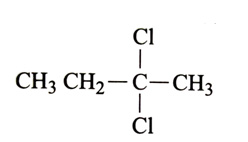
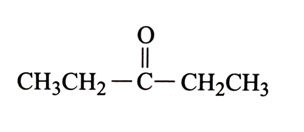
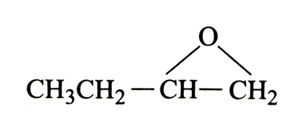
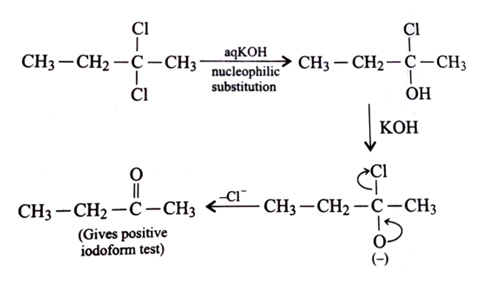
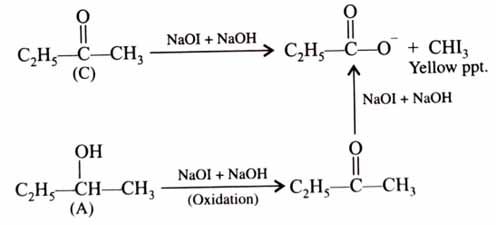
Which of the following compounds can give positive iodoform test when treated with aqueous KOH solution followed by potassium hypoiodite?         [2024]

  •  

  • CH3 CH2 CH2 CHO 


  •  

  •  

(1)


Q 10 :

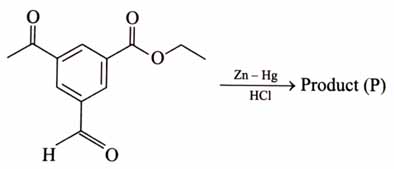
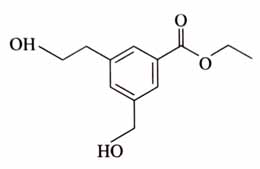
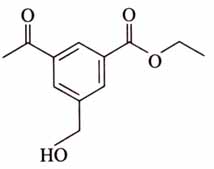
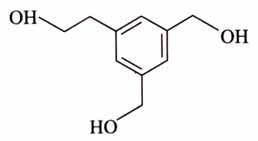
The product (P) formed in the following reaction is:             [2025]

  •  

  •  

  •  

  •  

(4)

This is Clemmenson’s reduction, it reduces aldehydes/ketones to corresponding alkanes.


Q 11 :

Number of molecules from below which cannot give iodoform reaction is:

Ethanol, Isopropyl alcohol, Bromoacetone, 2-Butanol, 2-Butanone, Butanal, 2-Pentanone, 3-Pentanone, Pentanal and 3-Pentanol         [2025]

  • 5


  • 4


  • 3


  • 2


(2)

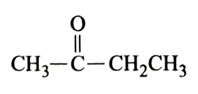
Butanal, 3-pentanone, pentanal and 3-pentanol do not give iodoform test.


Q 12 :

The major product (P) in the following reaction is:              [2025]

  •  

  •  

  •  

  •  

(2)

This is intramolecular Cannizzaro reaction. Aldehydic part gets oxidized and ketonic part gets reduced.


Q 13 :

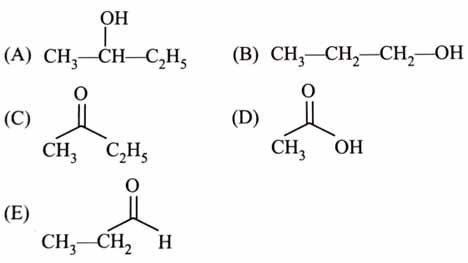
Which among the following compounds give yellow solid when reacted with NaOI/NaOH?

Choose the correct answer from the options given below:                   [2025]

  • (B), (C) and (E) Only


  • (A) and (C) Only


  • (C) and (D) Only


  • (A), (C) and (D) Only


(2)

Iodoform test is given by methyl aldehydes (CH3–CO–H) / methyl ketones (CH3–CO–R) or Secondary alcohols (CH3–CH(OH)–H / CH3–CH(OH)–R) which are oxidized to such compounds in reaction conditions of iodoform test.


Q 14 :

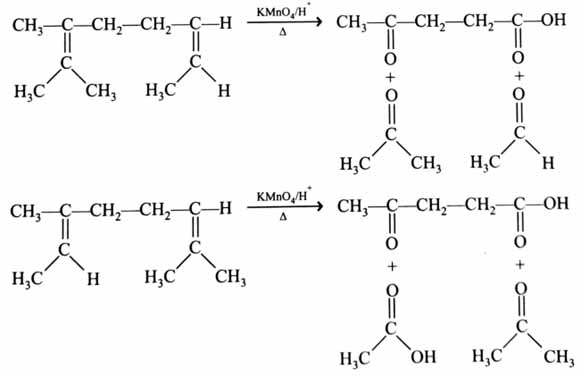
A compound “X” absorbs 2 moles of hydrogen and ‘X’ upon oxidation with KMnO4/H+ gives

The total number of σ bonds present in the compound ‘X’ is _______. [2025]


(27)

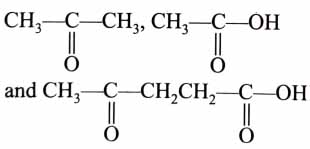
X is either of the following two. It has 27 sigma bonds.


Q 15 :

Given below are two statements: One is labelled as Assertion A and the other is labelled as Reason R.

In the light of the above statements, choose the correct answer from the options given below:               [2023]

  • A is false but R is true.


  • Both A and R are true and R is the correct explanation of A.


  • A is true but R is false.


  • Both A and R are true but R is not the correct explanation of A.


(1)

Zn–Hg/HCl (Clemmensen reduction reduces the carbonyl group to –CH2 but also affect acid sensitive functional groups as alkene, alcohol, ether and ester.


Q 16 :

Given below are two statements:

In the light of the above statements, choose the correct answer from the options given below:         [2023]

  • Statement I is true but Statement II is false


  • Statement I is false but Statement II is true


  • Both Statement I and Statement II are true


  • Both Statement I and Statement II are false


(1)


Q 17 :

‘A’ and ‘B’ in the above reactions are:                           [2023]

  •  

  •  

  •  

  •  

(3)


Q 18 :

Given below are two statements, one is labelled as Assertion A and the other is labelled as Reason R.

In the light of the above statements, choose the correct answer from the options given below:            [2023]

  • Both A and R are true and R is the correct explanation of A


  • A is false but R is true


  • Both A and R are true but R is NOT the correct explanation of A


  • A is true but R is false


(2)

Wolff–Kishner reduction is not suitable for base sensitive group.


Q 19 :

The major product formed in the following reaction is

Choose the correct answer from the options given below:              [2023]

  • D only


  • C only


  • B only


  • A only


(3)