

Q 21 :

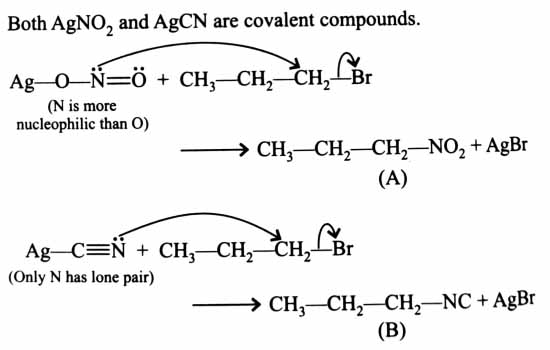
The products A and B in the following reactions, respectively, are:              [2025]

AAg-NO2CH3-CH2-CH2-BrAgCNB

  • CH3CH2CH2NO2,CH3CH2CH2CN 


  • CH3CH2CH2ONO,CH3CH2CH2NC


  • CH3CH2CH2ONO,CH3CH2CH2CN 


  • CH3CH2CH2NO2,CH3CH2CH2NC


(4)


Q 22 :

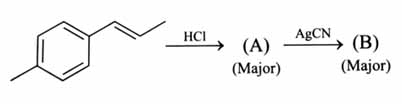
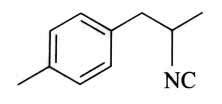
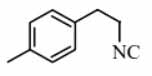
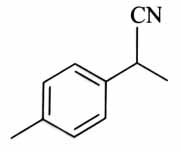
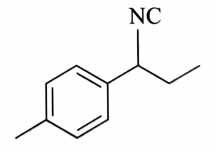
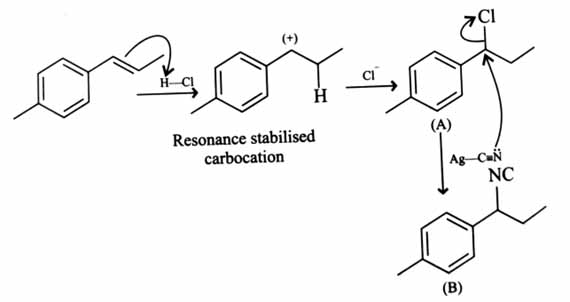
The product B formed in the following reaction sequence is:            [2025]

  •  

  •  

  •  

  •  

(4)


Q 23 :

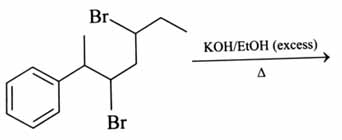
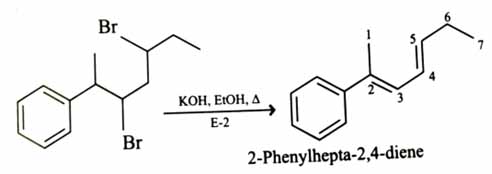
The major product of the following reaction is:                      [2025]

  • 2-Phenylhepta-2,4-diene


  • 6-Phenylhepta-2,4-diene


  • 2-Phenylhepta-2,5-diene


  • 6-Phenylhepta-3,5-diene


(1)


Q 24 :

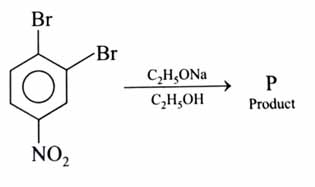
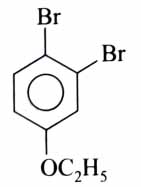
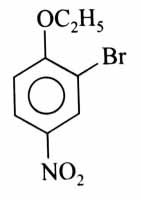
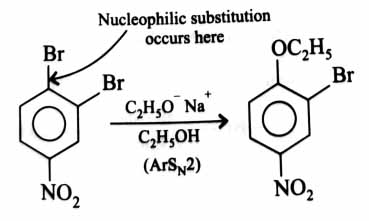
In the following substitution reaction:              [2025]

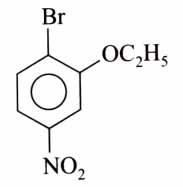
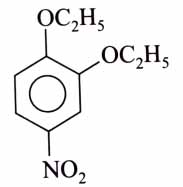
Product ‘P’ formed is:

  •  

  •  

  •  

  •  

(4)

Electron withdrawing groups assist in nucleophilic substitution reactions for aromatic compounds. Because –M effect of –NO2 is operative at para position, Br- from para position gets substituted.


Q 25 :

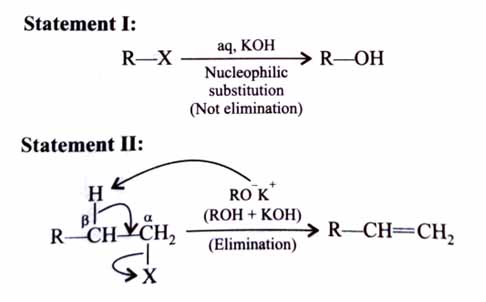
Given below are two statements:                               [2025]

Statement (I): Alcohols are formed when alkyl chlorides are treated with aqueous potassium hydroxide by elimination reaction.

Statement (II): In alcoholic potassium hydroxide, alkyl chlorides form alkenes by abstracting the hydrogen from the β-carbon.

In the light of the above statements, choose the most appropriate answer from the options given below:

  • Both Statement I and Statement II are incorrect


  • Statement I is incorrect but Statement II is correct


  • Statement I is correct but Statement II is incorrect


  • Both Statement I and Statement II are correct


(2)


Q 26 :

For the reaction

RCH2Br+I-AcetoneRCH2IMajor+Br-

The correct statement is                      [2023]

  • The transition state formed in the above reaction is less polar than the localised anion.


  • The reaction can occur in acetic acid also.


  • Br- can act as competing nucleophile.


  • The solvent used in the reaction solvates the ions formed in the rate-determining step.


(1)

The given reaction is a SN2 reaction proceed via transition state mechanism which requires strong nucleophile in non polar or polar aprotic solvent. This medium provides transition state a less polar environment than that of localised anion.


Q 27 :

Choose the halogen which is most reactive towards SN1 reaction in the given compounds (A, B, C and D)             [2023]

  • A-Br(a); B-I(a); C-Br(b); D-Br(a)


  • A-Br(b); B-I(a); C-Br(a); D-Br(a)


  • A-Br(b); B-I(b); C-Br(b); D-Br(b)


  • A-Br(a); B-I(a); C-Br(a); D-Br(a)


(1)

The reactivity of halogen for SN1 reaction depends upon stability of carbocation:

A – Br(a) Phenyl carbocation

B – I(a) Allyl carbocation

C – Br(b) 3° – carbocation

D – Br(a) 3° – carbocation


Q 28 :

Identify the correct order of reactivity for the following pairs towards the respective mechanism.           [2023]

Choose the correct answer from the options given below:

  • (A), (B) and (D) only


  • (A), (B), (C) and (D)


  • (B), (C) and (D) only


  • (A), (C) and (D) only


(2)

Reactivity of SN21Steric crowding(1°>2°>3°) halide

Reactivity of SN1 Stability of carbocation (Benzyl cation>1°-cation)

Reactivity of electrophilic substitution reaction  Electron density. (-Cl is more electron donating group, while -NO2 is electron withdrawing group)

Reactivity of nucleophilic substitution reaction 1Electron density

-I effect group creates more reactive site for nucleophile.

-I effect of NO2>-I effect of Br


Q 29 :

Compound from the following that will not produce precipitate on reaction with AgNO3 is:               [2023]

  •  

  •  

  •  

  •  

(3)

Vinylic halides are inert towards AgNO3 due to strong CX bond and less stable carbocation.


Q 30 :

2-Methyl propyl bromide reacts with C2H5O- and gives 'A' whereas on reaction with C2H5OH it gives 'B'. The mechanism followed in these reactions and the products 'A' and 'B' respectively are:                         [2023]
 

  • SN2,A=2-butyl ethyl ether;SN2,B=iso-butyl ethyl ether


  • SN2,A=iso-butyl ethyl ether;SN1,B=tert-butyl ethyl ether


  • SN1,A=tert-butyl ethyl ether;SN2,B=iso-butyl ethyl ether


  • SN1,A=tert-butyl ethyl ether;SN1,B=2-butyl ethyl ether


(2)